
Landscape or Portrait? You Decide
Code upright on your phone or turn your tablet sideways for more room. Here’s how we made Replit adapt to both.

93 articles
Code upright on your phone or turn your tablet sideways for more room. Here’s how we made Replit adapt to both.
How a storage configuration change disrupted Secrets and legacy static hosting in December 2023, and what we changed after the recovery.

Find the right repository, bring it into Replit, and get to work. What changed in GitHub imports, authentication, and the Git pane.

Python packages often need libraries that pip can’t provide. Replit detects those missing system dependencies and installs them for hundreds of packages.

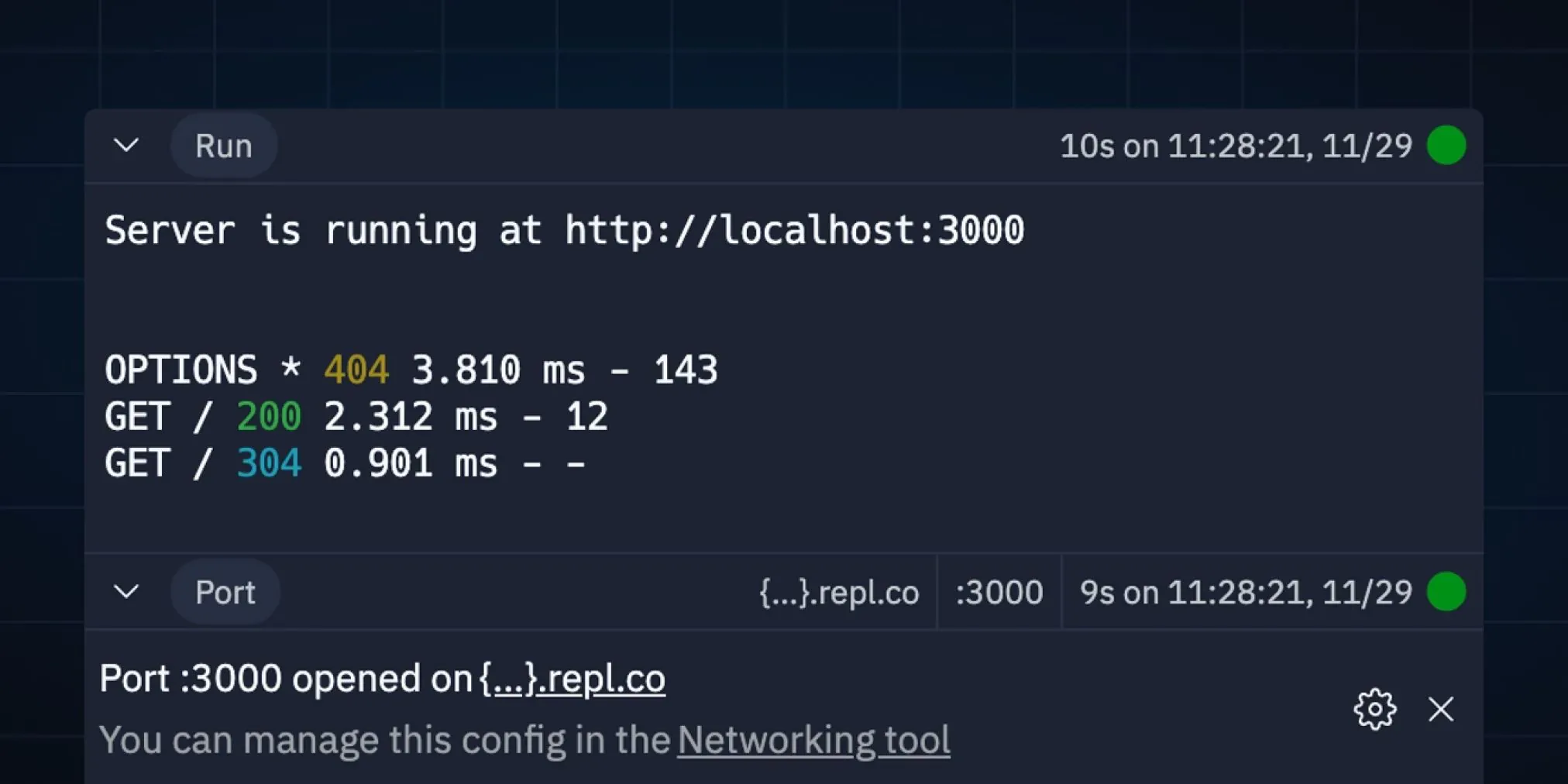
Past runs shouldn’t vanish when you need them. A tour of the rebuilt Console, its saved execution history, and the choices behind the interface.

Search for native tools and libraries without writing Nix configuration by hand. A guide to adding and managing system dependencies in the workspace.

Keep pasted code aligned and let the editor pick up a file’s indentation style. Small changes that take the fuss out of tabs and spaces.

An incomplete storage build left some projects read-only on September 29, 2023. Our account of the incident, recovery work, and safeguards that followed.
Why we’re moving legacy hosting to Deployments, what that means for existing apps, and why the free development experience isn’t going away.

See how people use your deployed app without leaving the workspace. A tour of the analytics tab and the traffic data it puts at hand.
Install packages with fewer clicks, see what’s already in your project, and get clearer errors when something goes wrong.
A package manager spent 200 milliseconds doing almost nothing. Following that delay led us through a surprisingly tangled Go performance bug.

AI suggestions are easier to judge when they stay beside your code. Persistent widgets, streamed responses, and diff views improve Ghostwriter’s inline tools.


Larger datasets and dependencies need more room. How expandable storage removes the old per-project ceiling, and how to manage the extra space.



More powerful projects brought higher infrastructure costs. Why we changed resource limits and plans, and how user feedback shaped the response.
Fewer interrupted sessions, including on the free plan. How storage and networking changes helped us make Replit more stable and quicker to connect.

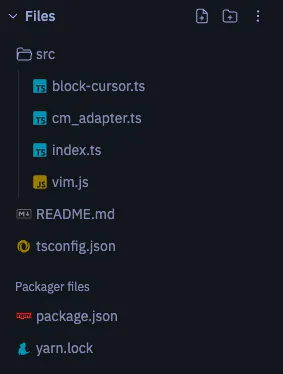
An 8,000-file codebase exposed the limits of our filetree. Virtualization, local caching, and keyboard navigation made large projects easier to work with.

Faster deploys, fewer failures, and less friction getting an app online. What changed in Replit Deployments after its first release.
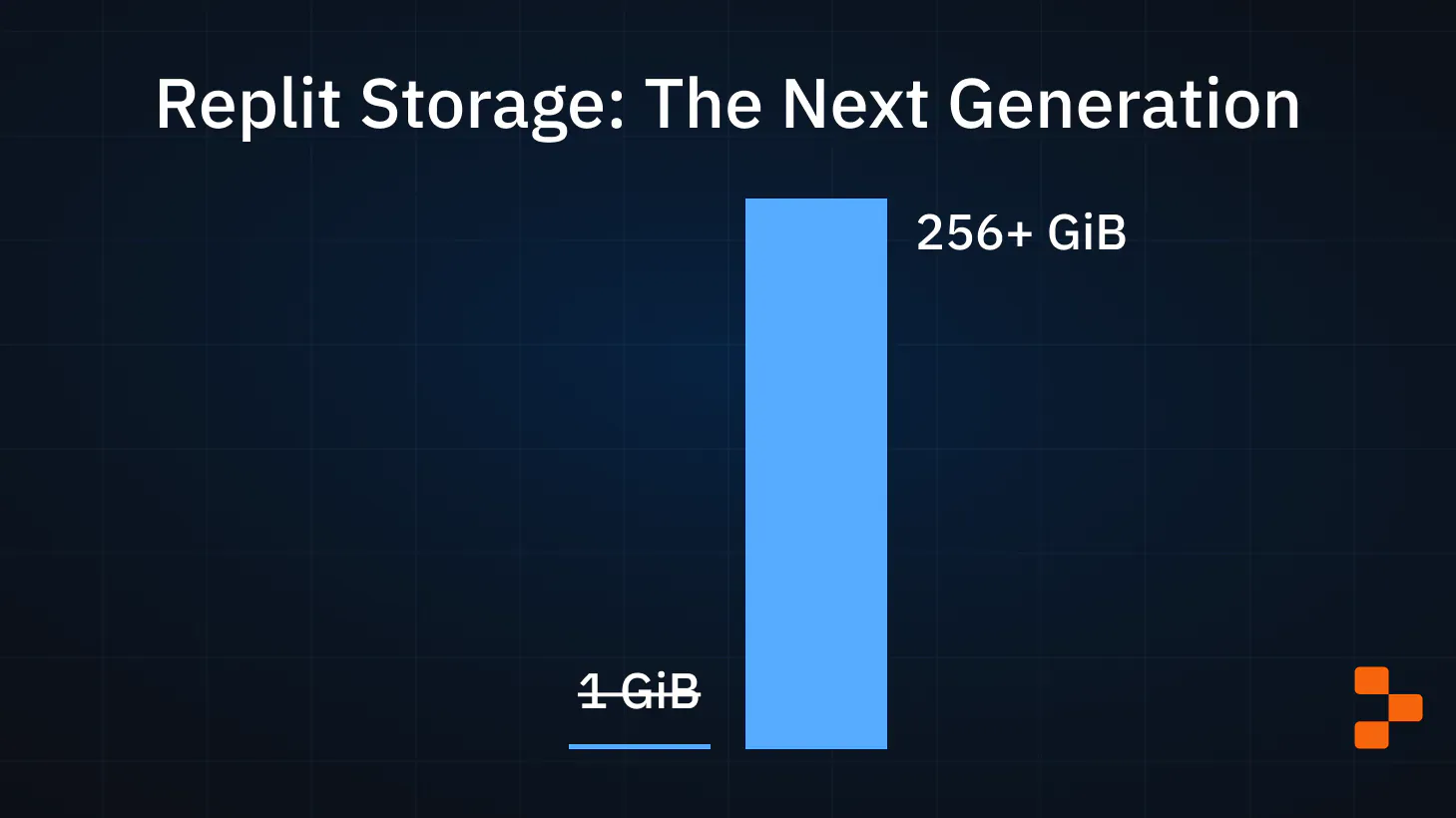
Getting past the 1 GiB storage limit meant rethinking the filesystem underneath it. Inside the snapshot and copy-on-write design that made larger projects possible.

Find a function, narrow a query, or replace matches across a project. The engineering story behind Replit’s code search and regex support.
What we found in a June 2023 single-sign-on audit, how we patched the vulnerability, and how we notified potentially affected users.

Make the workspace shortcuts your own. How we built configurable keybindings that handle chords, different devices, and competing keyboard conventions.


Combining Nix stores makes development environments more portable. How a layered store can bring Nix Flakes to millions of Replit users.
Git mistakes shouldn’t require an afternoon to undo. The design and engineering behind a Git pane built for both beginners and experienced developers.
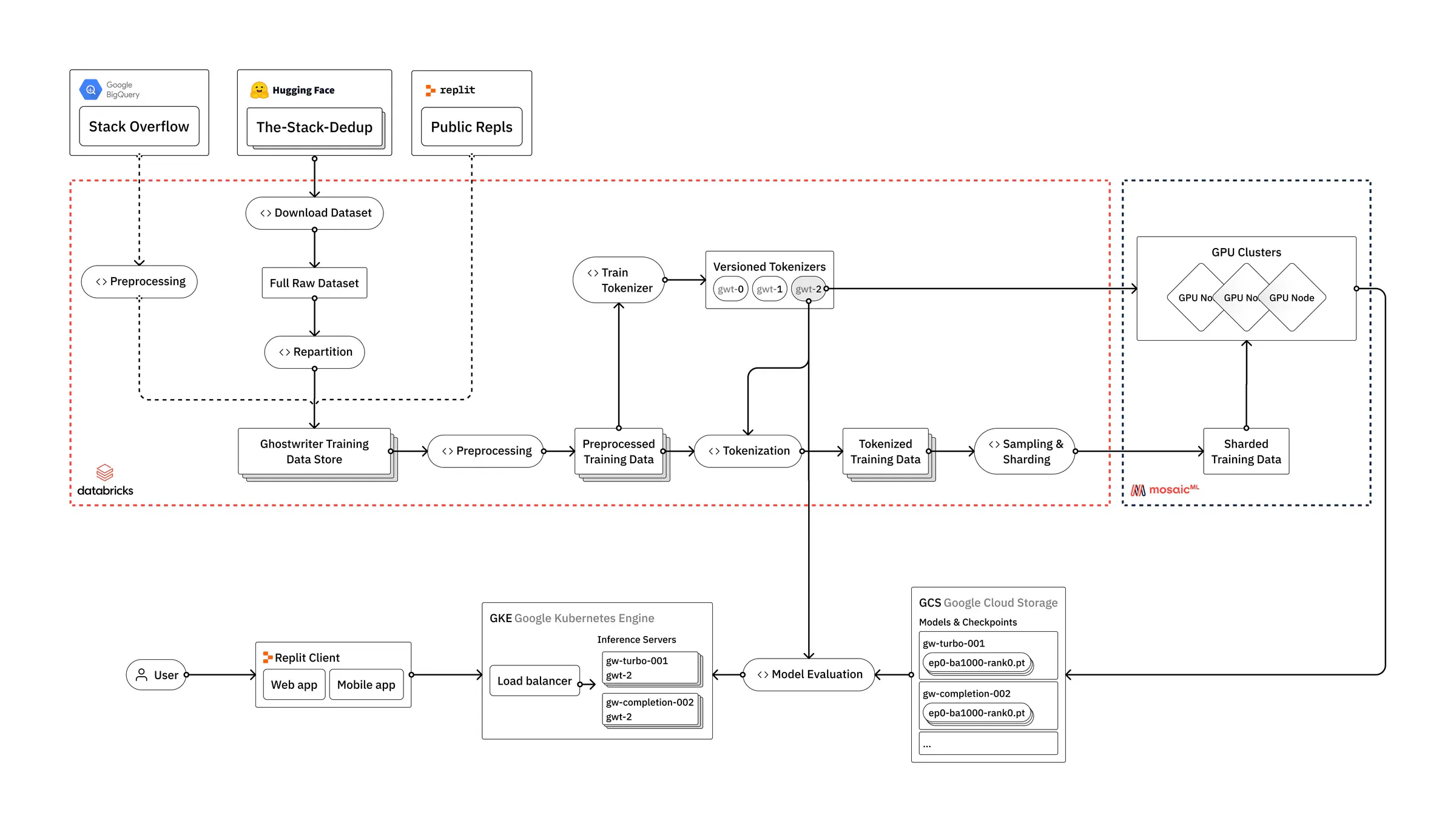
From raw code to a model serving users: the data pipelines, training infrastructure, and evaluation work behind Replit’s language models.
No matching posts.